I started my career with KPMG where I was fortunate enough to become involved in an internal startup quite early on. I was part of the launch team founding the KPMG Benelux department of Transaction Services. Here I hired staff, help to pull in our first few clients and trained European partners and directors in M&A.
I was also responsible for some of KPMG's most significant clients. I assisted in acquisitions and joint ventures of semiconductor companies and breweries in Asia (Thailand, Korea and China) managing global teams of advisors, including McKinsey and Goldman Sachs, international law and tax firms. All of these activities provided me with a stepping stone into company building.
After the M&A department grew to a decent size and the initial learning excitement had worn off, I knew I wanted to start something more agile and also impact-related. I left KPMG to start my own business assisting Benelux life science scale-ups with growth capital raising and Initial Public offerings. Here my first degree in pre-med came in handy - connecting the scientists (geeks) to the investors (money).
What I realized early on is that I enjoyed the creative problem solving required in a startup and creating something from scratch.
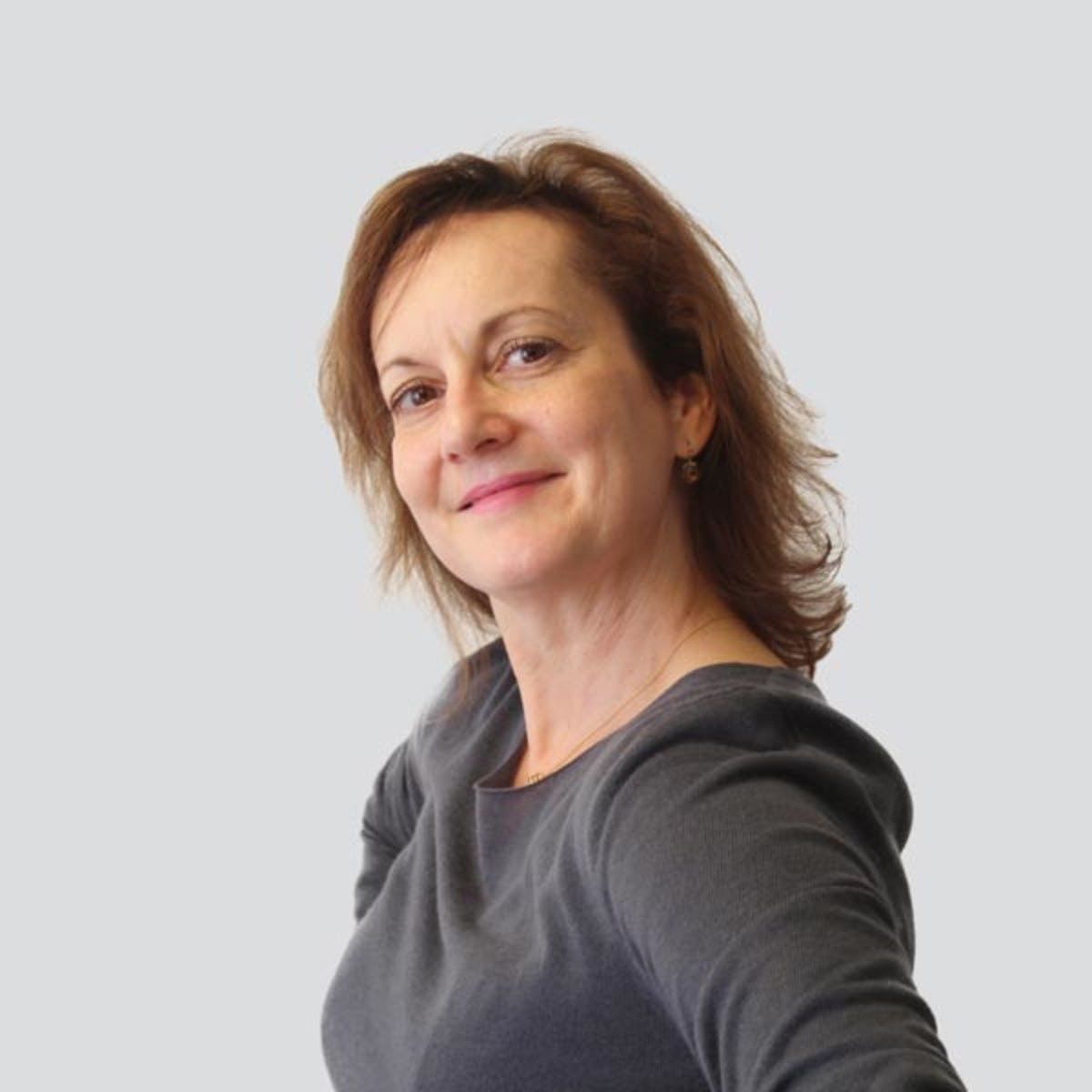
— KIM ORESKOVIC, AMSTERDAM PARTNER
Life sciences companies often take years to get to market due to strict regulations which made me rethink how much I wanted to proactively work in this space. After I had sufficient revenue coming in, I found I was missing certain things from my previous career: the global aspect of my job (vs Benelux), working with professional services firms (vs scientists) and working across different industries.
Previous to my work in M&A, I also worked with non-profits in the impact space (sustainability and health) as I had a strong desire to give back. However, the pace of non-profits was not fast enough, and the business model needed an overhaul.
So I turned to tech to pursue my next chapter.
The Dutch startup ecosystem
This was fortunately at the time 2 accelerators started in the Netherlands, around 2010. I became a mentor in 3 different industries: Fintech, Digital Health and SmartEnergy (IoT). I liked the cross-pollination of technologies and industries - using the success in one industry to improve another.
Here I observed many VCs and accelerators in the Benelux were shifting to later-stage deal flow which can be less risky. As such, there were fewer and fewer early-stage startups. I saw a gap in the market.
Why I joined Antler
I ran into Antler via an introduction of our new Marketing Director Estee Chaikin. Estee and I met at one of the accelerators and she told me she had applied to Antler as a marketing director. She didn't know much about the company - only that it had something to do with startups, it was global and run by ex-McKinsey people. I figured it was worth a coffee as I was intrigued and familiar with the startup space.
When I met Youri Doeleman, the Managing Partner of Antler Benelux, I knew this was someone I could trust and work with and that we had complementary skill sets (ie good co-founder). He told me about his and Magnus Grimeland's vision to democratize entrepreneurship by allowing talented people from around the world to build businesses in a structured way from scratch - thus avoiding all the most common startup mistakes. I also knew from working with McKinsey that they were skilled at sourcing top talent.
And the business model just made sense. First, Antler does not rely on corporate sponsorships. Instead, it invests in high-quality, scalable startups which forfeit a small portion of the Antler ticket as a program fee. Second, the fund invests in approximately 200 startups over 4 years, thereby increasing the chances of good returns for the fund. Third, the partners and team are incentivized to put the success of these super entrepreneurs first.
Democratizing entrepreneurship
The majority of people want to start their own company but only a fraction do. Antler solves the crucial problems which hinder people from starting companies finding a co-founder, getting seed capital, focusing on global real-world impactful problems and providing early stage deal flow from teams formed by hand-picked exceptionally driven individuals.
Had Antler existed when I left KPMG I would have not hesitated to join. Finding a cofounder takes a lot of luck and trial and error. Antler puts between 70 and 100 founders in a room for 2 months - 1/3 each of tech, business and product (hipster, hacker and hustler) - and supports them with team formation. Only after 2 months of observing founders individually, in teams, and their ideas under a pressure cooker, do they invest. This sets them apart from most VCs or angel investors who invest in those companies that show up on their doorstep (i.e. adverse selection). Because we incubate these companies from scratch, we are the first to both see them and invest in them.
Antler also embraces diversity. In the Amsterdam program, we have over 22 nationalities from across the EU and we contribute to the attraction of top tech talent to the Netherlands, reskilling the labour force and adding jobs to the ecosystem. In the Dutch team, 50% of the partners (2) are female and 75% of the directors (4) are female. Backgrounds include experience in travel, mobile, solar, electric cars, life sciences, edu-tech and from a few different continents.
Antler Netherlands is shaking up the startup ecosystem at a critical point in time. Larger, more traditional companies are making smaller more strategic bets and acquisitions to guard against disruption. M&A deals are getting smaller and more frequent in general.
I am excited to see what teams will emerge from our programs, and what problems will be solved to contribute to the next wave of tech. I have finally found a place which feels like home, where I can use my global, M&A, growth capital raising, IPO and cross-tech skills to help build impactful companies to solve the world's most critical problems.