Innovation in the age of collaboration

“Out of every crisis, voices emerge from unlikely places to help us understand how we can build a better future” - Scott Galloway. In this opinion piece, Antti Rantanen, Venture Partner at Antler, draws inspiration from this quote and reflects on how tech collaboration between startups and giants will breed new innovative models of operation in the near future.

Innovation in the age of collaboration

Going into the fourth global economic crisis of my twenty-odd year career, for some reason, I feel more comfortable with the idea that the world will be forced to embrace new models of operation without undermining the collateral damage that these shifts usually produce.

This has been especially true in the last 5 years, when I have worked more on structures for scaling innovation rather than actually building innovation, where it has felt like most organisation's initiatives have been a part of the so-called "innovation circus". For many, there hasn't been much pressure to actually change business models to serve the needs of our current society, and companies have mostly been focused on increasing their brand reach, people resources, and marketing initiatives.

Though the pursuit of scale in this context isn't bad, we're going to see a shift in how companies view scalability. Though these previous efforts have helped companies extend their audience reach, experience customer hypergrowth, and attract venture capital attention, many of these need to return to their core business fundamentals, and figure out new ways to disrupt in this new world economy. One of my favourite quotes for a time like we are in currently is from Bill Gates:

We always overestimate the change that will occur in the next two years and underestimate the change that will occur in the next ten.

— BILL GATES, CO-FOUNDER OF MICROSOFT

Adversity breeds innovation

Right now, we think that the current crisis will force companies to ditch their existing modus operandi. Everyone is talking about how different the world will look in two years, but in my opinion, the world in twenty four months' time, will look very much the same as it does today with a couple of tweaks. Sure there will be fewer airlines, and there will (probably) be more of us working remotely, but I think today's crisis will give us the necessary push for truly revolutionary innovations in the fields of infrastructure, sustainability, medtech and the circular economy, accelerating timelines we'd have seen in ten years versus two. Just like Amazon, who thrived after the .com crisis, or Facebook and Google after the 2008 crisis, I have a feeling there will be plenty of companies that we will look at in 2030, that really caught wind in their sails during the 'black swan' event we currently find ourselves in.

Re-allocating of financial resources

So what does this mean for today's established businesses? I think this will kick off a period when organisations will go bananas trying to figure out whether to cut their innovation budgets or tenfold them, and the obviously smart thing to do is the latter. It's not an easy call to make, but I think that companies can think about re-allocating their traditional, non-measurable marketing channels towards R&D -- which could bring about new business avenues.

Out of every crisis, voices emerge from unlikely places to help us understand how we can build a better future.

— SCOTT GALLOWAY, NYU STERN SCHOOL OF BUSINESS

David and Goliath - startups and established businesses working together

So how can these established businesses create R&D budgets that can be utilized to the fullest? We think startups could be the answer. Nimble and agile, startups and growth-stage companies can bring about change quickly, and if integrated correctly and backed by larger companies with deeper pockets, we believe voices from these collaborations will emerge to help us understand how we can build a better future together.
More from Residency

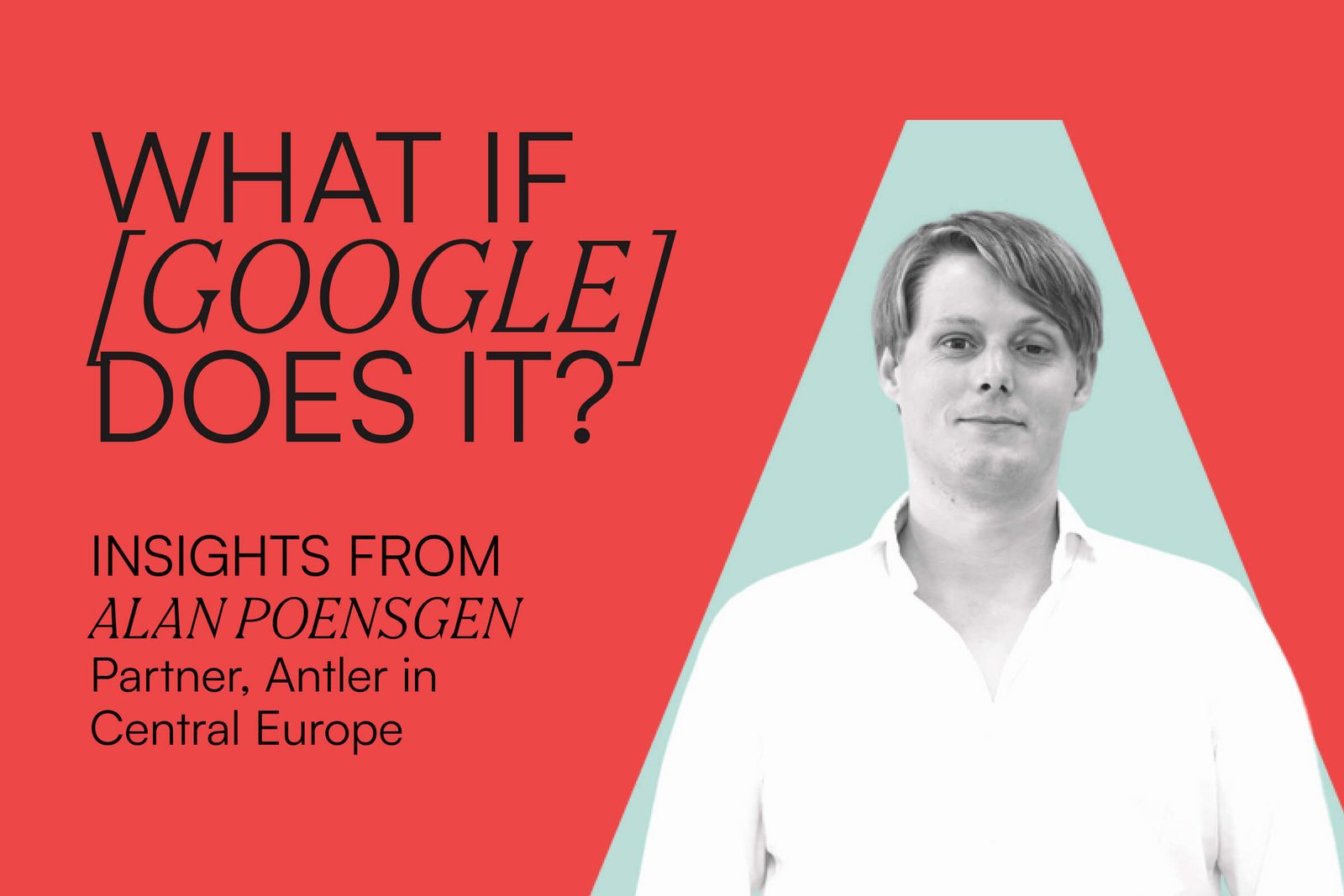
What if [Google] does it?

There are tons of different frameworks on what makes a good business idea. However, there is one point in particular that is tough to crack: “What if [Google] does it?”—i.e., if the big incumbent that is playing in the same or an adjacent market uses their vast resources to copy you, what chance do you even have? This is what in German we call a Totschlagargument, which in our loving and peaceful language translates roughly into “the argument with which you can beat anything to death”. And it is easy to dismiss the question because in so many cases startups have prevailed against much larger incumbents. But I believe a more nuanced view is needed. In reality, these incumbents pose a legitimate threat in many cases and they have ended countless hopeful startups. I discuss this topic frequently—both with founders considering whether to dedicate a decade of their life to something, and with colleagues when we’re thinking about being the first investor—but haven't found a great framework. Here are the key questions that help me wrap my head around this:

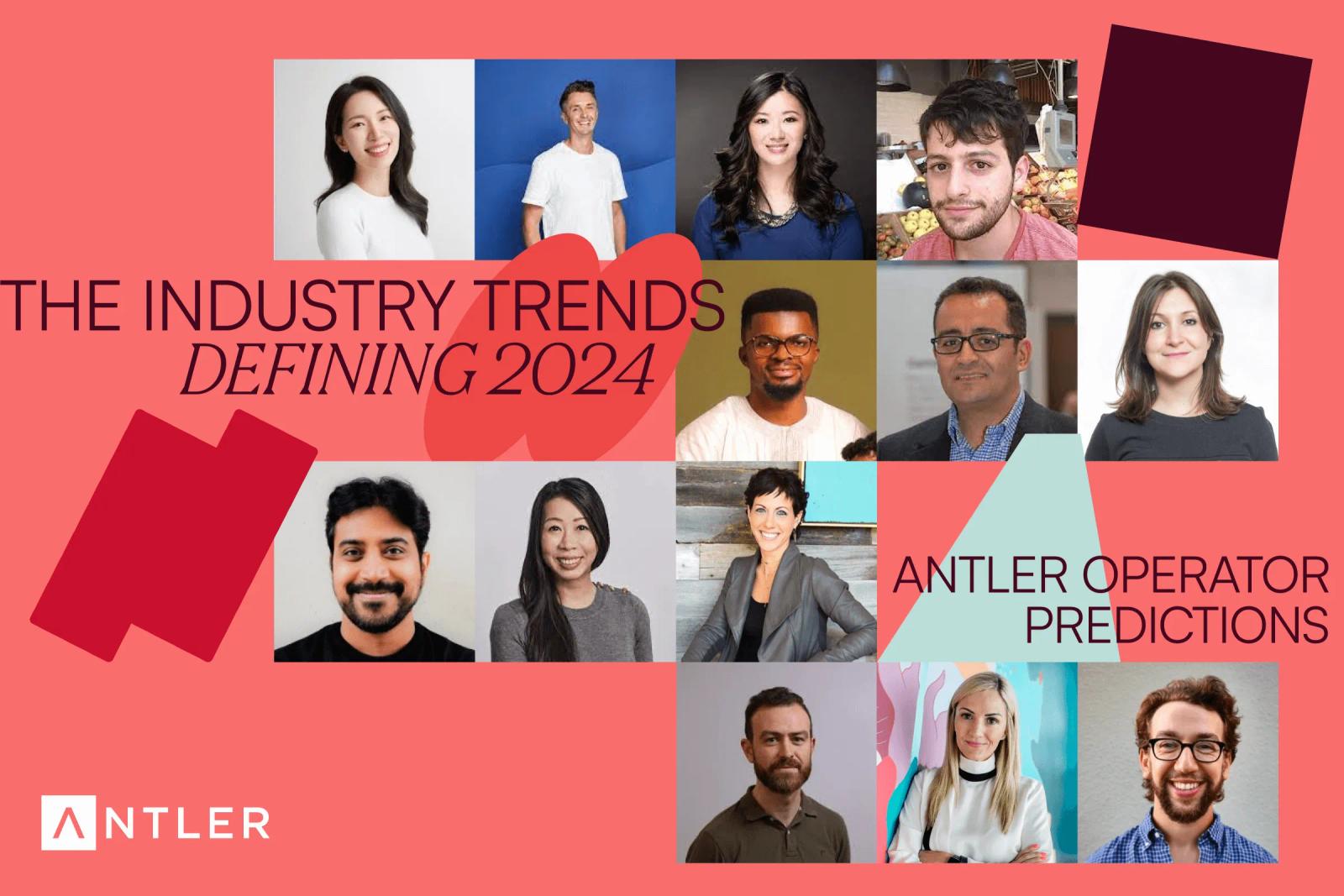
The next wave of innovation: 27 industry trends set to define 2024

What will innovation look like as we move deeper into 2024? What are the biggest industry trends that will define the coming year? We asked our global network of Antler Operators—founders, sector leaders, CxOs, and VPs from companies including Roblox, Airtable, Shopify, Spotify, Affirm, DoorDash, Uber, Hubspot, and more, who offer 1:1 advice to Antler portfolio companies, giving them extra firepower to help fast-track their growth.

12 MINUTES—Episode 3: Kilian Martin from Physikit

12 MINUTES with Antler founders gives a closer look into the journey of founders toward successfully building their ventures. Every first Wednesday of the month Alan Poensgen, Antler Partner in Germany, sits down with a founder of an Antler portfolio company and talks about their time at Antler, the team formation, the ideation process, and more.

12 MINUTES — Episode 2: Dean Hastie from Tapline

12 MINUTES with Antler founders gives a closer look into the journey of founders toward successfully building their ventures. Every first Wednesday of the month Alan Poensgen, Antler Partner in Germany, sits down with a founder of an Antler portfolio company and talks about their time at Antler, the team formation, the ideation process, and more.

Antler in Berlin welcomes new additions to the Antler portfolio

What a day! On Wednesday 28th June all of Antler portfolio companies met up together with more than 150 investors, other founders, and executives. It was a day full of inspiration, insightful conversations, and a great opportunity to keep the spirits up when the times for start-ups are hard. After the panel discussion led by Christopher Klink, partner at Antler Germany, where Emilia Theye, co-founder of Clare&Me, Tore Myrholt, Chairman of the Board at Antler, and Emma Tracey, CEO at Scéal shared their insights and perspectives on the early-stage ecosystem in the region and beyond as well as gave advice to founders and investors. They also concluded that despite hard times, there is a lot of light and positive expectations for the years to come!

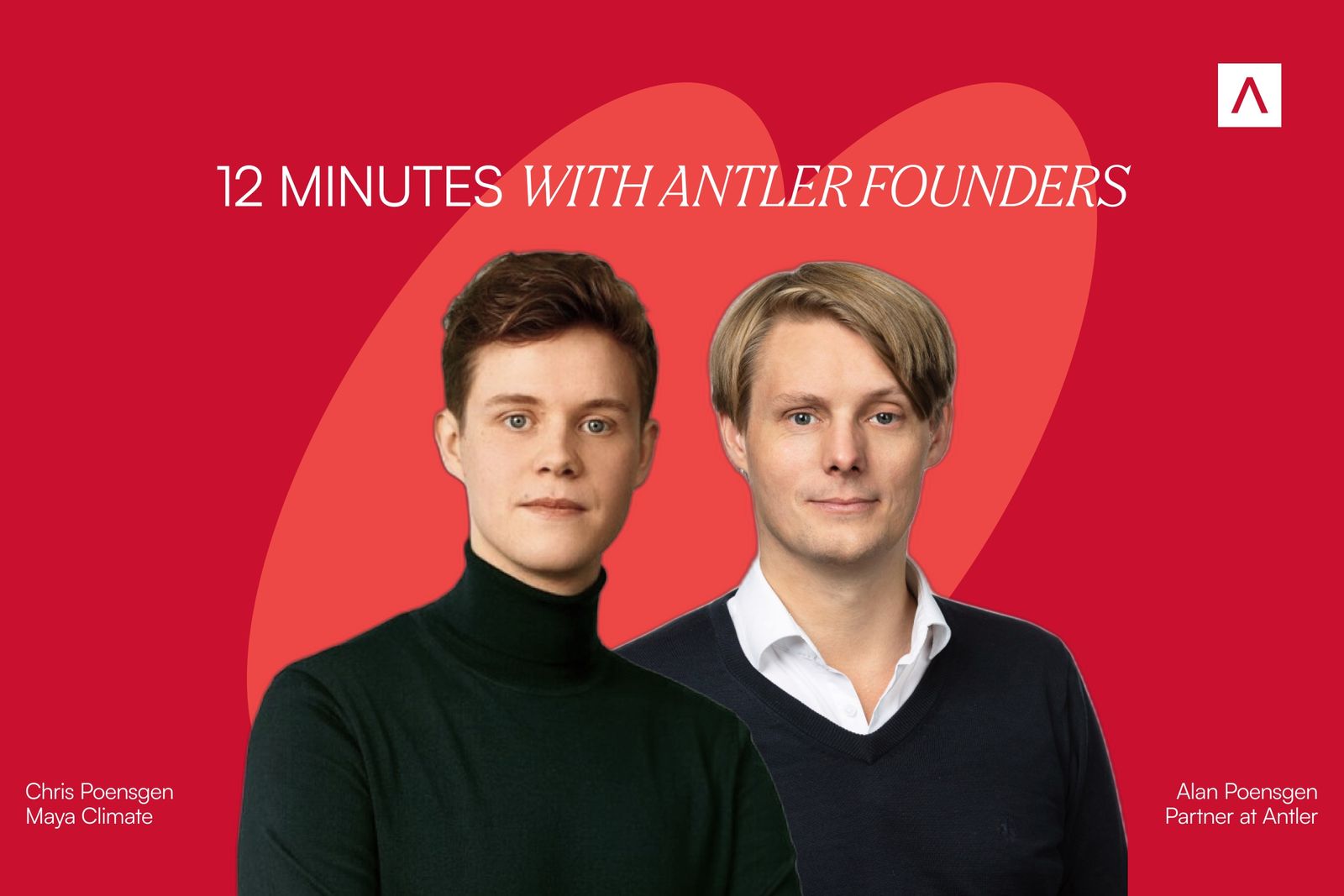
12 MINUTES – Episode 1: Christian Poensgen from Maya Climate

12 MINUTES with Antler Founders gives a closer look into the journey of founders toward successfully building their ventures. Every first Wednesday of the month Alan Poensgen, Antler Partner in Germany, sits down with a founder of an Antler portfolio company and talks about their time at Antler, the team formation, the ideation process, and more.