What if [Google] does it?

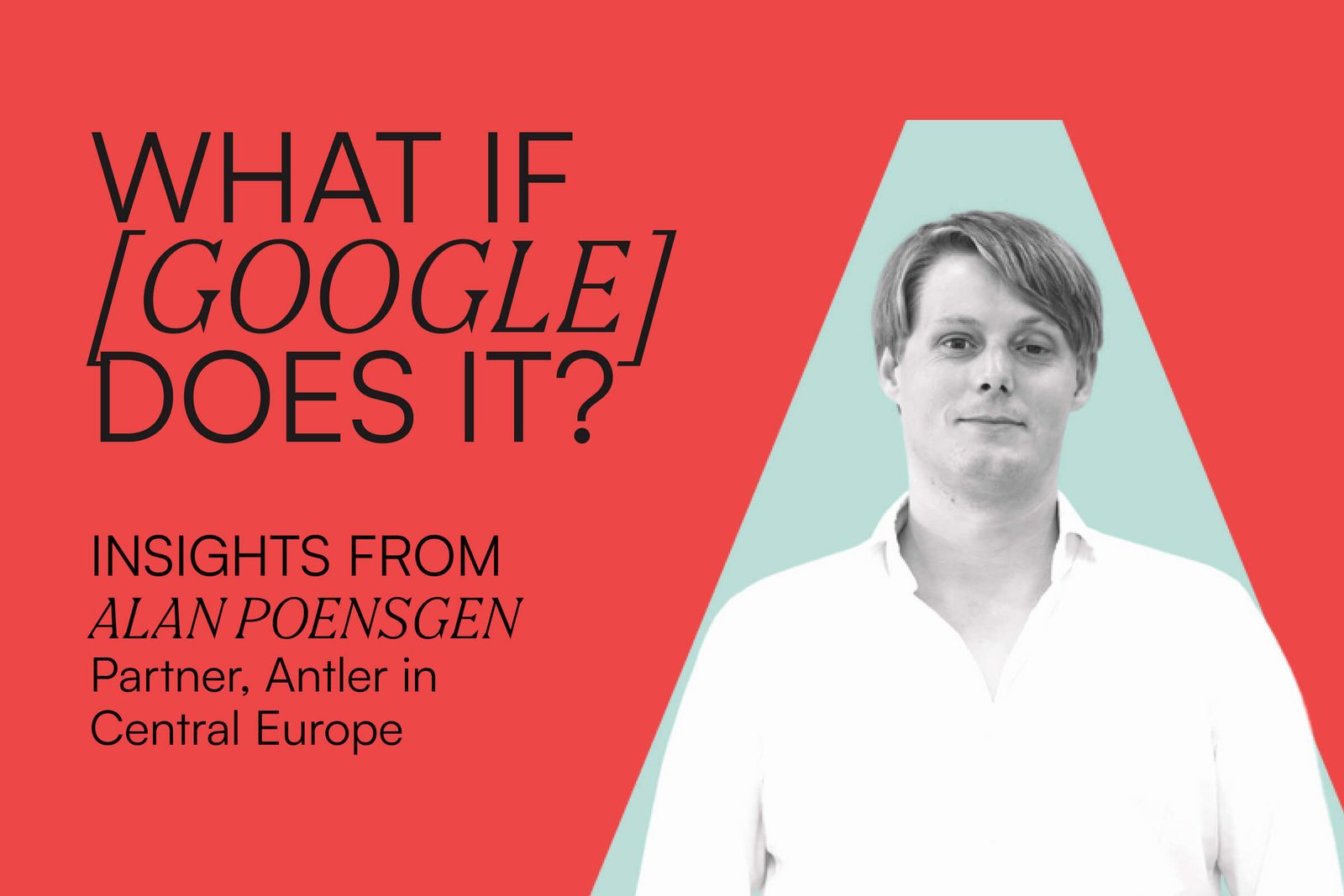
There are tons of different frameworks on what makes a good business idea. However, there is one point in particular that is tough to crack: “What if [Google] does it?”—i.e., if the big incumbent that is playing in the same or an adjacent market uses their vast resources to copy you, what chance do you even have? This is what in German we call a Totschlagargument, which in our loving and peaceful language translates roughly into “the argument with which you can beat anything to death”. And it is easy to dismiss the question because in so many cases startups have prevailed against much larger incumbents. But I believe a more nuanced view is needed. In reality, these incumbents pose a legitimate threat in many cases and they have ended countless hopeful startups. I discuss this topic frequently—both with founders considering whether to dedicate a decade of their life to something, and with colleagues when we’re thinking about being the first investor—but haven't found a great framework. Here are the key questions that help me wrap my head around this:

What if [Google] does it?

1. How core is it for [Google]?

Large organisations could in theory do all sorts of things with the vast resources they have, but they have to focus on their core customers and where the core of the value is that they generate. The more core, the more likely that they will allocate resources to expand their product or service offering.

Example:

When GenAI for image generation became a thing, all of a sudden tons of founders were playing with the idea of launching a new kind of photo editor that would work differently from traditional, point-and-click photo editors. Mere weeks later, Adobe launched Firefly, a feature in their own Photoshop editor, making it clear that launching a new standalone photo editing tool was going to be a long and hard battle versus incumbents.

I would argue that the threat of a potential new paradigm of how all photos are edited clearly made this a focus for the core product and core customer group for Photoshop. Whereas building an image editor specialised for collaboration and product design such as Sketch and then Figma could clearly happen because web design was always one of many edge cases that Photoshop catered to historically.

2. Does [Google] have an innovator's dilemma?

In some cases, launching a new product would first significantly eat into the incumbent's existing business where they have invested hundreds of millions of dollars. Even in the face of a clear threat, few companies are willing (or able) to launch a product that first eats into the margins of their existing business. (The book Innovator’s Dilemma by Clayton Christensen describes this effect in detail.)

Example:

The textbook case of the innovator’s dilemma is Kodak, who invented the digital camera but would have had to disrupt and cannibalise themselves significantly had they started to actively transition their customer base onto the digital camera. They were making a lot of their revenues and margins with the sale of films, which meant Canon and others got way ahead of them.

3. Do you build a moat if [Google] is too slow?

Large organisations can be slow to react. If you have the chance to build significant network effects, customer lock-in, etc. then that may give you the opportunity to develop an entrenched position once the large company wakes up and throws their resources into the fray. This gives you a real chance to prevail. No matter how much money the incumbent devotes to copying you, they still need time to catch up—and when they do, you will be a step ahead again.

Example:

Once Instagram started incorporating reels as a reaction to TikTok’s success, - TikTok already had significant traction and massive network effects.

On the other hand, a lot of advertising technology companies founded around 2015 that were optimising performance marketing advertising spend got eventually swallowed up by Meta and Google as they inevitably moved into that space and built it into their offerings with no reason for advertisers to stick to the separate services.

4. How much legacy does [Google] carry in this field?

There can be legacy factors that will make an incumbent particularly slow or reluctant to move into whatever you are doing. They might be stuck on an old technology stack that they would have to switch completely before offering whatever you are planning to build.

Example

Uber reacted slowly in the food delivery market and lost a lot of international markets because going into food delivery meant an entirely different paradigm of delivery thinking, how systems are built, etc… All of Uber’s DNA was built around being as fast as possible since people are not willing to wait for their ride. For food delivery, customers are willing to wait an extra 10 minutes for a better quality offering. [Check out this great interview with the Uber CEO describing this.
More from Residency

The next wave of innovation: 27 industry trends set to define 2024

What will innovation look like as we move deeper into 2024? What are the biggest industry trends that will define the coming year? We asked our global network of Antler Operators—founders, sector leaders, CxOs, and VPs from companies including Roblox, Airtable, Shopify, Spotify, Affirm, DoorDash, Uber, Hubspot, and more, who offer 1:1 advice to Antler portfolio companies, giving them extra firepower to help fast-track their growth.

12 MINUTES—Episode 3: Kilian Martin from Physikit

12 MINUTES with Antler founders gives a closer look into the journey of founders toward successfully building their ventures. Every first Wednesday of the month Alan Poensgen, Antler Partner in Germany, sits down with a founder of an Antler portfolio company and talks about their time at Antler, the team formation, the ideation process, and more.

12 MINUTES — Episode 2: Dean Hastie from Tapline

12 MINUTES with Antler founders gives a closer look into the journey of founders toward successfully building their ventures. Every first Wednesday of the month Alan Poensgen, Antler Partner in Germany, sits down with a founder of an Antler portfolio company and talks about their time at Antler, the team formation, the ideation process, and more.

Antler in Berlin welcomes new additions to the Antler portfolio

What a day! On Wednesday 28th June all of Antler portfolio companies met up together with more than 150 investors, other founders, and executives. It was a day full of inspiration, insightful conversations, and a great opportunity to keep the spirits up when the times for start-ups are hard. After the panel discussion led by Christopher Klink, partner at Antler Germany, where Emilia Theye, co-founder of Clare&Me, Tore Myrholt, Chairman of the Board at Antler, and Emma Tracey, CEO at Scéal shared their insights and perspectives on the early-stage ecosystem in the region and beyond as well as gave advice to founders and investors. They also concluded that despite hard times, there is a lot of light and positive expectations for the years to come!

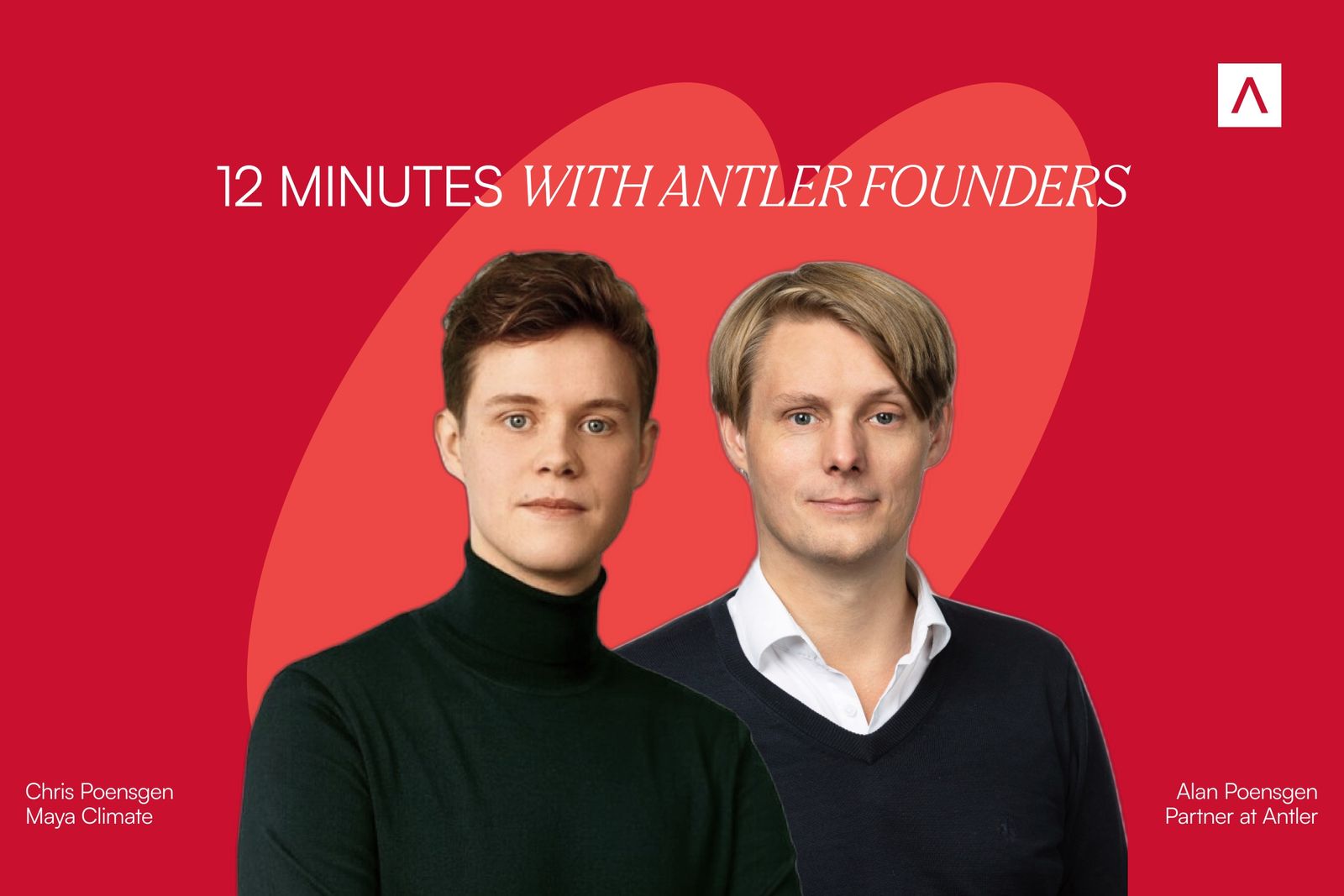
12 MINUTES – Episode 1: Christian Poensgen from Maya Climate

12 MINUTES with Antler Founders gives a closer look into the journey of founders toward successfully building their ventures. Every first Wednesday of the month Alan Poensgen, Antler Partner in Germany, sits down with a founder of an Antler portfolio company and talks about their time at Antler, the team formation, the ideation process, and more.

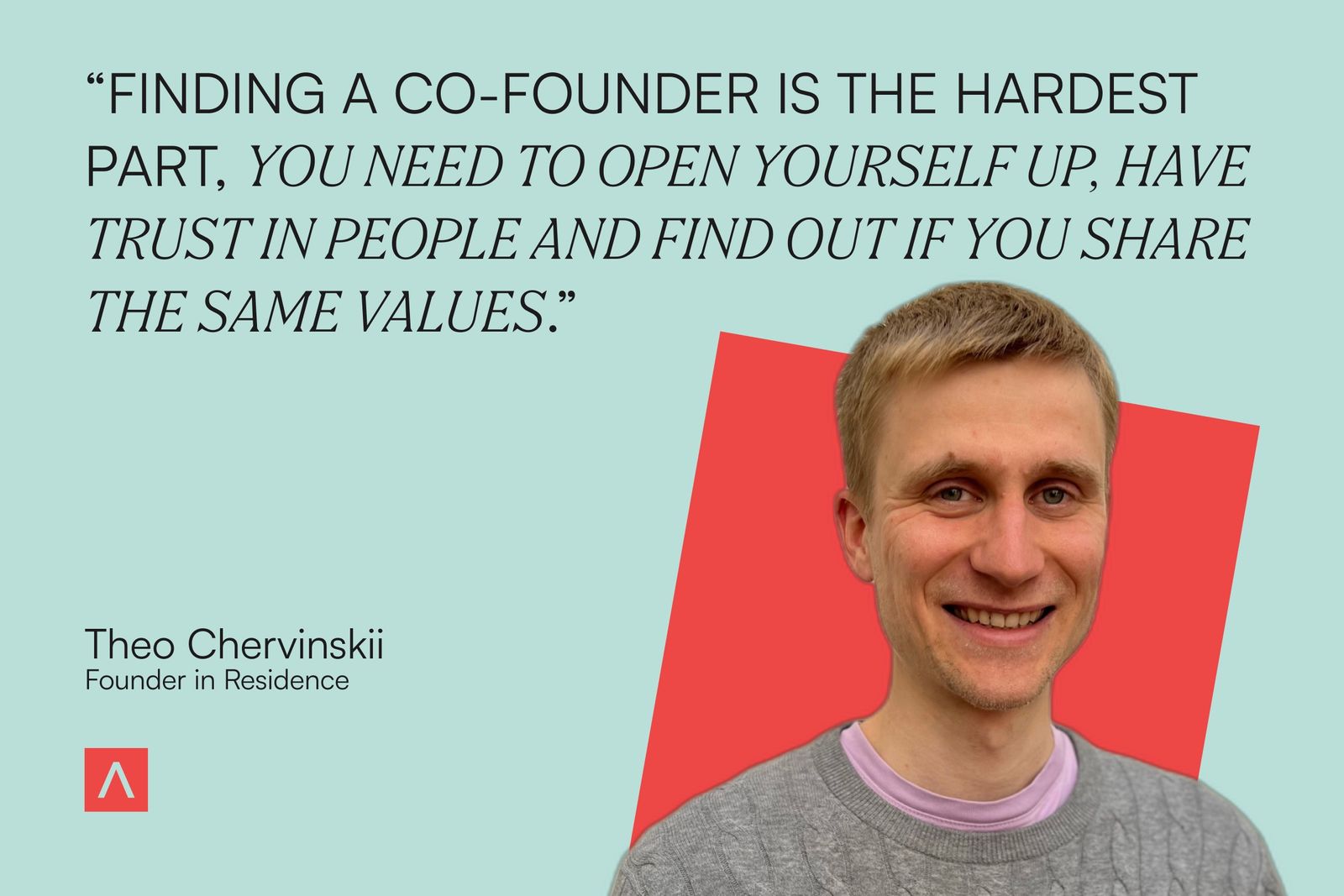
Theo Chervinskii on his startup journey with Antler in Berlin

Antler was founded on the belief that people innovating is the key to building a better future. In our content series—”It All Starts with People”—we spotlight the exceptional founders we have the privilege of partnering with around the world. Each story is a window into their passions, motivations, and vision—the reasons they are building and the positive dent they are aiming to make on the world. This time we sat down with Theo Chervinskii, an engineer who found his passion in robotics, to talk about his journey and why he decided to build his company with Antler in Berlin.